Exploring the Benefits of Heat Recovery Ventilation for Energy Efficiency in Homes
Heat Recovery Ventilation (HRV) systems offer homeowners a practical strategy to enhancing energy effectiveness. By reclaiming warm from outgoing air, these systems can significantly lower cooling and heating costs. Furthermore, they give a steady supply of fresh air, enhancing indoor air high quality and comfort levels. As house owners think about sustainable options, recognizing the nuances of HRV systems comes to be progressively vital. What aspects should one assess before making such a financial investment?
Comprehending Heat Recovery Ventilation Systems

Just How HRV Boosts Indoor Air High Quality
Energy Financial Savings: The Financial Advantages of HRV
Optimizing power performance, heat recovery ventilation (HRV) systems use substantial monetary benefits for homeowners. By recovering and reusing warm from exhaust air, HRVs markedly reduce home heating and air conditioning prices. This modern technology can result in power financial savings of as much as 30%, relying on environment and usage patterns. House owners frequently see lowered energy costs soon after installation, making HRVs a monetarily smart investment gradually. Additionally, several areas provide motivations or rebates for energy-efficient upgrades, additionally a fantastic read enhancing the monetary allure. As power costs continue to climb, the cost-effectiveness of HRVs becomes increasingly clear. On the whole, the consolidation of HRV systems not only promotes power effectiveness but likewise adds to long-lasting monetary savings for families.
The Ecological Influence of Heat Recovery Ventilation
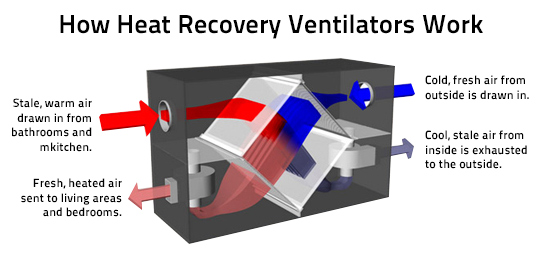
A significant ecological advantage of heat recovery ventilation (HRV) systems depends on their capability to lower general energy intake. By reclaiming heat from exhaust air and moving it to inbound fresh air, HRV systems reduce the requirement for energy-intensive home heating and cooling down methods. This decrease in power need adds to reduce greenhouse gas discharges, as much less nonrenewable fuel source is needed to preserve comfortable interior temperature levels. In addition, HRV systems improve interior air quality by effectively exchanging stale air with fresh outside air, decreasing reliance on mechanical cooling systems that can hurt the setting. Overall, the implementation of HRV systems supports lasting living techniques and straightens official site with global initiatives to combat climate modification by promoting power effectiveness in property setups.
Selecting the Right HRV System for Your Home
Exactly how can house owners assure they pick the right heat recovery ventilation (HRV) system for their demands? Initially, they need to assess their home's size and format, as these elements influence airflow requirements. Next off, evaluating the system's effectiveness ratings is essential, as higher rankings indicate much better performance and power cost savings. Homeowners must also take into consideration setup and upkeep expenses, contrasting various brand names and designs for value. Furthermore, it is very important to examine sound degrees, as some systems run more quietly than others. Consulting with heating and cooling experts can offer tailored recommendations based upon specific home problems. Examining customer testimonials and guarantees can assist in making a notified choice, guaranteeing that the picked HRV system efficiently boosts indoor air top quality and energy effectiveness.
Frequently Asked Inquiries
How Frequently Should I Clean or Keep My HRV System?
The frequency of cleansing or preserving a warm recovery air flow (HRV) system commonly depends upon usage and environmental factors. Normally, it is recommended to perform upkeep every six months to ensure peak efficiency and air quality.

Can HRV Equipments Help Reduce Moisture Levels Inside Your Home?
HRV systems can successfully reduce indoor moisture levels by exchanging stale, damp air with fresh, drier air from outdoors. HRV Heat Recovery Ventilation. This process assists preserve a balanced indoor environment, enhancing comfort and protecting against moisture-related concerns
What Is the Life-span of a Typical HRV System?
The life-span of a regular heat recovery ventilation (HRV) system differs, generally lasting in between 10 to 15 years. Normal upkeep can expand its performance and functional life, making certain peak efficiency throughout its use duration.
Are There Any Type Of Noise Worry About HRV Equipments?
Noise issues with HRV systems can develop, especially from follower procedure. Several contemporary systems are created to lessen sound degrees, ensuring they operate silently while keeping performance, which resolves possible disruptions in living settings.
Can I Set Up an HRV System Myself, or Do I Need a Professional?
The individual contemplated whether to install the heat recovery ventilation (HRV) system directly or employ a specialist. Generally, while DIY installment is feasible, expertise warranties correct functionality and compliance with local building codes, boosting system effectiveness.
Comments on “Why Invest in HRV? An Honest Look”